

Cairo is a must for anyone fascinated by the magnificent Great Pyramids and the Sphinx of Giza. Situated on the Nile, Cairo is exciting, vibrant and fascinating; it is a perfect blend of old and new. Take time to explore the treasures of Tutankhamen in the Egyptian museum or take a stroll around the bustling Khan El Khalili bazaar. Away from the city centre, there is still more to see from the capital of ancient Egypt at Memphis to the Step Pyramid at Saqqara.
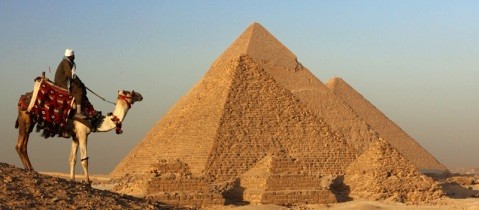
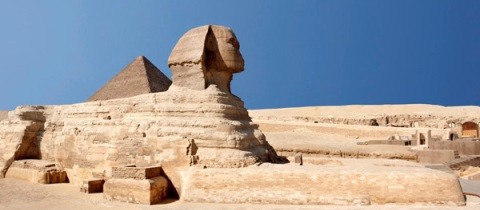
Marvel at the Great Pyramids and Sphinx of Giza
Cairo is the capital of Egypt and is a must for anyone fascinated by the magnificent Great Pyramids and the Sphinx of Giza. Situated on the Nile this vibrant and fascinating city is a perfect blend of old and new
Modern Cairo lies between the Pyramids and the Citadel where you will see a mix of minarets and skyscrapers, luxurious hotels, parks and gardens - but you can still see the sunset over the Nile which. flows through the heart of this unique city.
Cairo can easily be combined with any of our Nile Cruises and a range of resorts across Egypt. In addition we offer a city break with a difference. Three nights is the perfect amount of time to see the fascinating sights of this cultural city. For more details please call our specialist staff.
Cairo can be divided into 4 categories:
• Pharonic Cairo
• Coptic Cairo
• Islamic Cairo
• Shopping and entertainment
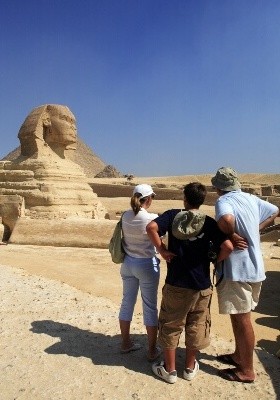
It is impossible to see it all in a single visit but here we describe some of its many delights:
Pharonic Cairo
The Great Pyramids & Sphinx of Giza: Even if you are not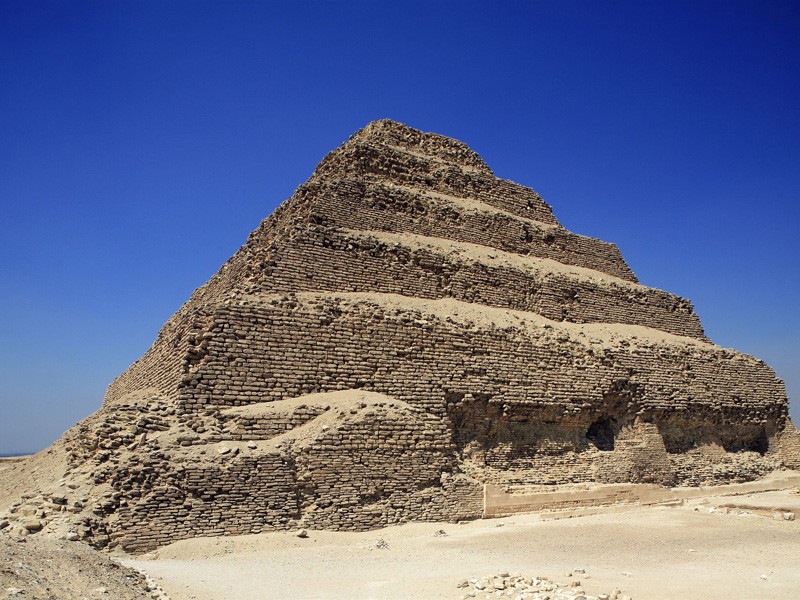 interested in ancient history it is impossible to get tired of the Pyramids. Rising from the desert the three Pyramids erected by King Cheops and guarded by the mysterious Sphinx are considered one of the Seven Wonders of the World and one of the the most important tourist sites in Egypt.
Saqqara: The most preserved ancient burial-ground in Egypt. It is also the site of The Step Pyramid, the first proper pyramid built for King Zoser in the 27th-century BC by the architect Imhotep
Memphis: One of the oldest cities on earth, it is believed that legendary Memphis was the capital of ancient Egypt throughout the Old Kingdom.
The Egyptian Museum: Located in the heart of Cairo is one of the world's most famous museums.
Coptic Cairo
The Hanging Church (al-Mu'allaqua): Originating in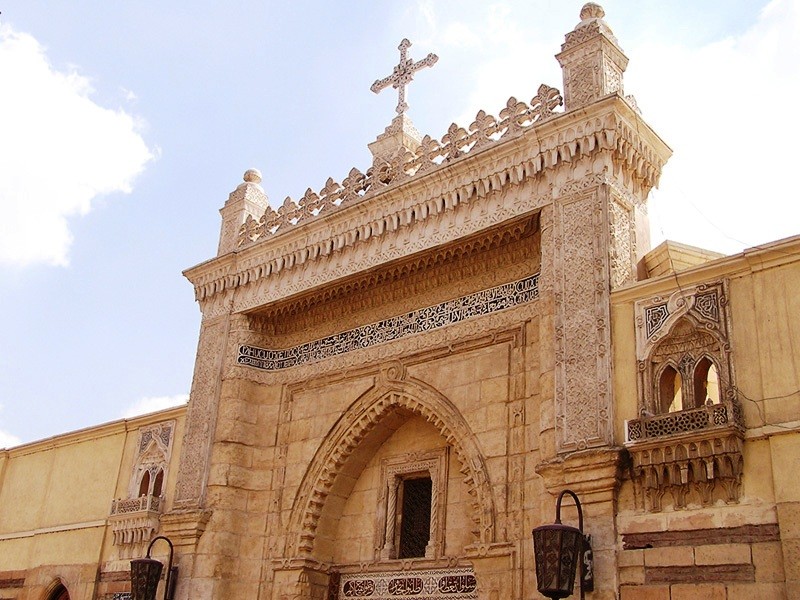 the 4th century, the hanging Church was built over the southern gate of the fortress of Babylon. Dedicated to the Virgin Mary, its treasures include a 14th-century wall-painting of the Nativity.
Church of St. Sergius and St. Bacchus: A 5th-century basilica, built over a crypt where the Holy family are believed to have stayed during their flight into Egypt.
Church of St.Mercurius (Ahi, Sefein): A unique collection of Coptic art including 175 icons representing scenes from the Old and New Testaments wall paintings, etchings and stained glass.
Islamic Cairo:
The Citadel of Salah Al-Din: Built between 1176 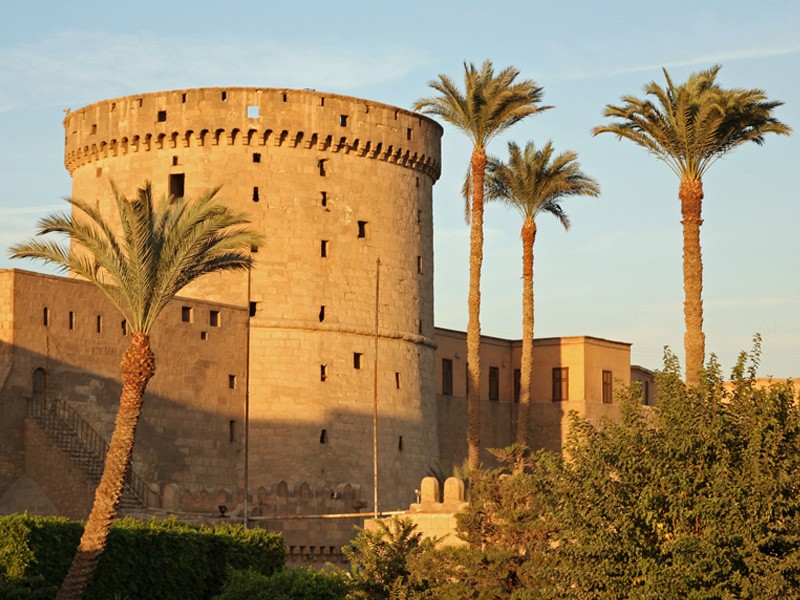 and 1182 AD, the Citadel fortress provides a panoramic view of Cairo from the Moqattam Hills.
Al-Azhar mosque: The first Fatimid mosque arid the oldest Islamic University in the world, founded in 970 AD.
The Blue Mosque (Mosque of Aqsunqur): Famous for the indigo and turquoise tiles that decorate the interior.
The Mosque of Ibn Tulun: Built between 876 and 879 AD in the classical courtyard style this is Cairo's oldest, intact mosque, still in use today.
The Islamic Museum: Includes works of art from all over the Islamic world, ranging from large architectural pieces rescued from mosques to ceramics, manuscripts and tapestries.
Shopping and entertainment
Cairo offers an amazing selection of shopping,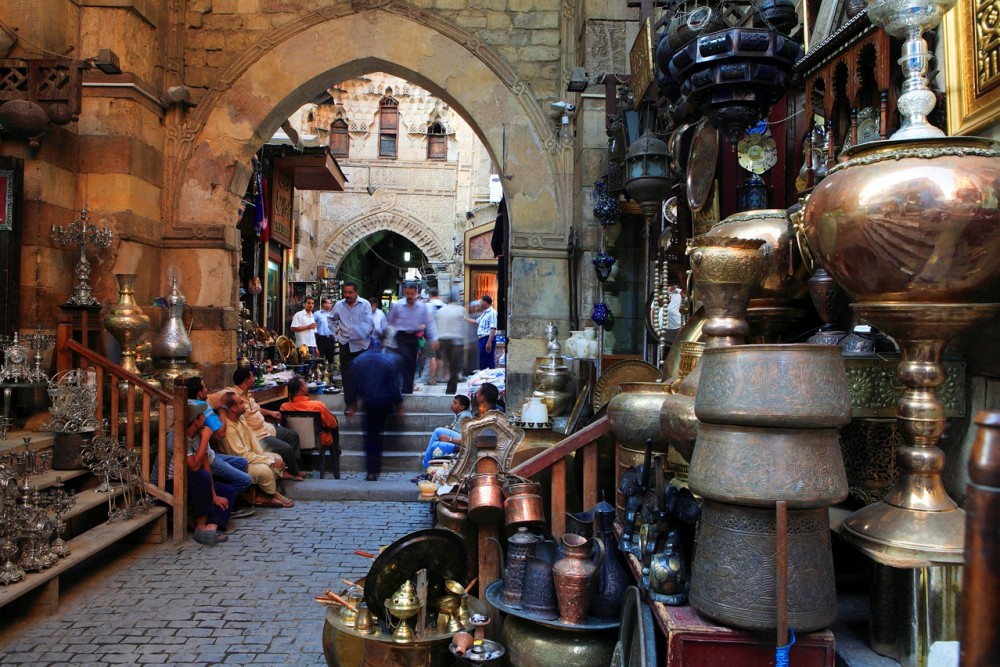 leisure, culture and nightlife. Shopping ranges from the famous Khan el-Khalili bazaar, to modern air-conditioned shopping centres.You are sure to find almost anything and of particular note are spices, perfumes, gold and silver, carpets, brass and copperware, leatherwork, glass, ceramics and Egyptian cotton. When you need a break from city life, try a round of golf on the famous Mena House course overlooking the Pyramids or visit the Zoo and the Botanical Gardens. You can take a trip on the Nile in a felucca or to really get away from it all you can go to the top of the 187 metre high Cairo Tower which has with views of the city from all sides and a revolving restaurant.
Cairo comes alive at night, the best time to shop, eat delicious Middle Eastern cuisine, or simply watch the world go by from a pavement cafe. You can dine in a floating restaurant on the Nile, sample a shisha at a coffee-shop or see oriental dancers and shows at a luxury hotel. The splendid Opera House complex houses several galleries (including the Museum of Modern Art), restaurants and concert halls and don't forget the most essential after-dark experience, the Sound and Light show at the Pyramids, a unique combination of light and music recounting the story of antiquity.
Excursions
Here are some of the things to see & do whilst staying in this exciting city
All tours are based on a minimum of 2 persons participating
For a full list of all optional excursions, please email a request to: sales@discoveregypt.co.uk
Full Day Pyramids, Sphinx, & GEM (Grand Egyptian Museum)
See the great Pyramids of Giza – Cheops (Khufu), Chephren and Mykerinos. Enter inside one of the Pyramids (subject to opening and extra cost LE 1500, payable locally by credit card) Then visit the Valley Temple - the place where the priests mummified the dead body of King Chephren, owner of the second pyramid at Giza Plateau. Take a close look at the Sphinx - the legendary guardian that stands by the huge funeral complex with its lion body and the head of King Chephren. Continue to the GEM (Grand Egyptian Museum) for lunch (not included).
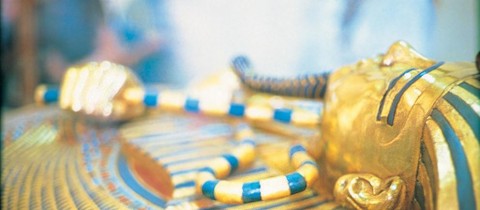
See the wonders of ancient Egypt at the Grand Egyptian Museum. See the world's only Hanging Obelisk, the breathtaking Grand Hall, the majestic Grand Staircase Gallery with over 60 remarkable artefacts, and the awe-inspiring Main Galleries. Within the twelve exhibition halls of the Main Galleries, explore Egypt’s rich history, spanning from prehistoric times to the Roman era. Delve into the lives, spirituality, and burial practices of the Egyptian people as you experience millennia of their extraordinary civilisation. The Tutankhamun mask is one of the most iconic artifacts in the world and is a key part of the Grand Egyptian Museum's collection along with along with a vast collection of other artifacts from the tomb, most of which have not previously been exhibited. The mask, a gold funerary mask, was discovered with Tutankhamun's mummy in 1925
See the Solar boat, dedicated to display the reconstructed Khufu ship, a solar barque of pharaoh Khufu. It was constructed between 1961 and 1982, just a few metres from where the Khufu ship was found on the southern side of the Great Pyramid
Half day Pyramids and Sphinx
See the great Pyramids of Giza – Cheops (Khufu), Chephren and Mykerinos. Enter inside one of the Pyramids (subject to opening and extra cost approx. LE 1500, payable locally by credit card) Then visit the Valley Temple - the place where the priests mummified the dead body of King Chephren, owner of the second pyramid at Giza Plateau. Take a close look at the Sphinx - the legendary guardian that stands by the huge funeral complex with its lion body and the head of King Chephren. It may be possible to take a short camel on the plateau (pay locally).
Full Day Pyramids, Sphinx, & Sakkara
See the great Pyramids of Giza – Cheops (Khufu), Chephren and Mykerinos. Enter inside one of the Pyramids (subject to opening and extra cost approx. LE 1500, payable locally by credit card) Then visit the Valley Temple - the place where the priests mummified the dead body of King Chephren, owner of the second pyramid at Giza Plateau. Take a close look at the Sphinx - the legendary guardian that stands by the huge funeral complex with its lion body and the head of King Chephren. It may be possible to take a short camel on the plateau (pay locally). After lunch(not included), continue to Sakkara, home to Zhoser’s step pyramid. The step pyramid was constructed by Imhotep, the pharaoh’s chief architect in 2700 BC, and was the template for all future pyramid construction, including the Great Pyramids of Giza. Three major discoveries have recently been made at Sakkara, including a prime minister's tomb, a queen's pyramid, and the tomb of the son of a dynasty founding king. Learn about the unusual layout of the pyramid of Userkaf, enter inside the pyramid of Teti and afterwards visit the small Imhotep Museum and see the site’s artefacts.
The Grand Egyptian Museum (GEM)
See the wonders of ancient Egypt at the Grand Egyptian Museum. See the world's only Hanging Obelisk, the breathtaking Grand Hall, the majestic Grand Staircase Gallery with over 60 remarkable artefacts, and the awe-inspiring Main Galleries. Within the twelve exhibition halls of the Main Galleries, explore Egypt’s rich history, spanning from prehistoric times to the Roman era. Delve into the lives, spirituality, and burial practices of the Egyptian people as you experience millennia of their extraordinary civilisation. The Tutankhamun mask is one of the most iconic artifacts in the world and is a key part of the Grand Egyptian Museum's collection along with along with a vast collection of other artifacts from the tomb, most of which have not previously been exhibited. The mask, a gold funerary mask, was discovered with Tutankhamun's mummy in 1925See the Solar boat, dedicated to display the reconstructed Khufu ship, a solar barque of pharaoh Khufu. It was constructed between 1961 and 1982, just a few metres from where the Khufu ship was found on the southern side of the Great Pyramid.
The 12 Main Galleries are divided into four main sections:
Prehistoric to The Second Intermediate Period:
This section explores the rise of early societies and the powerful royal legacies who united Egypt and built the first pyramids. Societies during this era were highly stratified, with the king seen as a god-like figure who maintained order. Beliefs centred on the afterlife and the king’s divine role in ensuring cosmic balance, with monumental tombs and temples reflecting the deep connection between rulers and the gods. Egypt's illustrious Old Kingdom gave way to the First Intermediate Period, marked by a fragmented era and the emergence of powerful provincial governors.
Middle Kingdom to Second Intermediate Period:
This section displays the resurgence of centralized power and royal legacies. Society became more inclusive, as ordinary people began to gain access to elaborate funerary practices previously reserved for royalty.
New Kingdom:
This era marked the height of Egypt’s imperial power, with royal legacies of warrior-kings like Ramesses II and queens like Hatshepsut. Egyptian society was
rich and diverse, with society expanding through military conquests and trade
Third Intermediate to Graeco-Roman Period:
As Egypt transitioned into foreign rule, society adapted with a fusion of Egyptian and Greco-Roman traditions. The royal legacies of the Ptolemaic Dynasty, ending with the reign of Cleopatra, exemplify the blending of Egyptian and foreign influences
GEM (Grand Egyptian Museum)
See the wonders of ancient Egypt at the Grand Egyptian Museum. See the world's only Hanging Obelisk, the breathtaking Grand Hall, the majestic Grand Staircase Gallery with over 60 remarkable artefacts, and the awe-inspiring Main Galleries. Within the twelve exhibition halls of the Main Galleries, explore Egypt’s rich history, spanning from prehistoric times to the Roman era. Delve into the lives, spirituality, and burial practices of the Egyptian people as you experience millennia of their extraordinary civilisation. The Tutankhamun mask is one of the most iconic artifacts in the world and is a key part of the Grand Egyptian Museum's collection along with along with a vast collection of other artifacts from the tomb, most of which have not previously been exhibited. The mask, a gold funerary mask, was discovered with Tutankhamun's mummy in 1925. See the Solar boat, dedicated to display the reconstructed Khufu ship, a solar barque of pharaoh Khufu. It was constructed between 1961 and 1982, just a few metres from where the Khufu ship was found on the southern side of the Great Pyramid. We at Discover Egypt estimate the visit to the GEM needing 3 – 4 hours for an overview of each section and allowing time for a refreshment break at one of the many outlets inside the museum. For a more in-depth visit and inspection of all the artefacts suggest 5 – 6 hours including an optional refreshment break.
Full day Citadel, National Museum of Egyptian Civilization (NMEC),Khan al Khalili market
Visit the Citadel of Saladin (12th century) where you see the famous alabaster mosque of Mohamed Aly Pasha (19th century) representing the Ottoman style of architecture.
Continue to the National Museum of Egyptian Civilization (NMEC) which is situated in the Fustat area of Cairo. The museum displays a collection of 50,000 artefacts, presenting Egyptian civilization from prehistoric times to the present day – the main attraction being the 22 Royal Mummies which were moved from the Egyptian Museum in 2021.The permanent collection is divided into two separate regions, one chronological the other thematic. The chronological areas are: Archaic, Pharaonic, Greco-Roman, Coptic, Medieval, Islamic, modern, and contemporary. The thematic areas are Dawn of Civilization, The Nile, Writing, State and Society, Material Culture, Beliefs and Thinking and the Gallery of Royal Mummies. Afterwards, spend a brief time wandering the bustling streets of Khan Al Khalili market.
Small group Sunday - Price per person: £ 95 (minimum two persons)
Private excursion and other days of the week £ 148 per person
Price includes transfers to and from hotel.
Excludes lunch.
Full day Islamic Cairo and Gayer Anderson Museum
explore the Cairo’s Coptic heritage. Take a guided tour in the Coptic Museum where a unique collection of antiquities is in a very charming display, then take a walk in the Coptic quarter to see Egypt’s iconic churches; enter the sanctuary of the Hanging Church, climb broad steps into the Church of St. George, then visit the St. Barbara Church and the Ben Ezra Synagogue, the legendary site where baby Moses is said to have been found.
Continue to the mosque of Sultan Hassan (14th century) representing the Mameluke style of architecture and the mosque of Rifai (19th century) that has the mausoleum of the last kings of Egypt as well as the last Shah of Iran Reza Pahlavi. After that see the ninth century mosque of Ibn Tulum, which is considered the oldest mosque intact in Egypt, it is unique with its minaret that has external stairs. Next door to the Mosque is the Gayer-Anderson Museum - founded in 1937 in two ancient residences, the Beit el-Kiridiliya from 1632 and the Beit Amna Bent Salim from 1540. In the museum, you will see the private collection of Major Gayer-Anderson along with furniture, glassware, crystal, carpets, silks and embroidered Arab costumes.
After lunch(not included),go to the Gate of Conquests (Bab el Fetouh), one of the original gates of Cairo and the nearby Gate of Victory (Bab el Nasser) and (optional) walk* to the third remaining gate, Gate of Zweila (Bab Zweila), where you will climb to the top and see a panoramic view of Islamic Cairo.
(* the walk between the gates takes approx. 1 hour and involves steps)
Full day tour to Alexandria (from Cairo)
The Library of Alexandria was reborn in October 2002 to reclaim the mantle of its ancient namesake. It is not just an extraordinarily beautiful building; it is also a vast complex where the arts, history, philosophy, and science come together. Moreover, the myriad activities it offers have made it a place for open discussion, dialogue, and understanding. Pompeii’s Pillar, a column of red granite brought from Aswan in Upper Egypt, standing some ninety feet high, with a circumference of twenty-seven feet, the pillar was erected in honour of the emperor Diocletian.
The Citadel of Qa’it Bay, a 15th-century defensive fortress located on the Mediterranean Sea coast, in Alexandria, Egypt. It was established in 1477 AD by Sultan Al-Ashraf Sayf al-Din Qa’it Bay. The Citadel is situated on the eastern side of the northern tip of Pharos Island at the mouth of Alexandria’s Eastern Harbour. The Qa’it Bay Citadel is considered one of the most important defensive strongholds in Egypt and along the Mediterranean Sea coast. It formulated an important part of the fortification system of Alexandria in the 15th century AD. The citadel was built on the exact site of The Lighthouse of Alexandria which was one of the ‘Seven Wonders of the Ancient World.
Our excursion includes escorted return transport, guiding, entrance fees and lunch.
To Pre-book an excursion
Either call 020 7407 2111 or your travel agent.
Excursions may be booked locally in Egypt however there could be additional charges based on the number of participants on the tour.
Updated May 2026. Prices subject to change
Nile Cruises
Luxor
Jordan
Israel
Multi Centres
Tailor Made
About us
Destinations
Holiday Information
Contact us
Privacy Policy
Terms & Conditions
Website terms of use




All the flights and flight inclusive holidays on this website are financially protected by the ATOL scheme. When you pay you will be supplied with an ATOL Certificate. Please check to ensure that everything you booked (flights, hotels and other services) is listed on it. If you do not receive an ATOL Certificate then the booking will not be ATOL protected. If you do receive an ATOL Certificate but all the parts of your trip are not listed on it, those parts will not be ATOL protected. Please see our booking conditions for information, or for more information about financial protection and the ATOL Certificate go to: www.atol.org.uk/ATOLCertificate.


 Hyatt Regency Cairo West
 Jaz Pyramids Resort
 Le Meridien Cairo Airport
 Le Riad Hotel de Charme
 Marriott Mena House
  Sofitel Cairo Downtown Nile(previously Conrad Cairo)
 Steigenberger El Tahrir
 Steigenberger Pyramids
 Swiss Inn Pyramids
 Villa Belle Epoque